By Dr. Steve Derrington, board-certified in physical medicine and rehabilitation
If you’ve been told that surgery is your only option, or that it’s coming down the road, it can feel like the decision has already been made. For many conditions, I don’t think that’s the full picture. Here is when I think a nonsurgical second opinion makes sense, and what it should include.
The path many patients are on
Many patients go down the traditional orthopedic pathway. They have a rushed visit and get sent to physical therapy without much distinction about what kind. When that doesn’t work after six or eight weeks, they get a cortisone shot. It works for a couple of weeks, so they get another, maybe a third. Once those stop working, they get an MRI to see how much damage there is, and then the conversation turns to a cleanup procedure or, if it is more advanced, replacement.
By then, PT didn’t help, the steroids didn’t help for very long, and it can sound like you’ve run out of options.
The middle space
There’s a whole range of options in the middle space that often doesn’t get talked about.
You may have been told surgery is your only option. For many conditions, that often isn’t true. More often than not, there are things that can be done that aren’t the extreme of surgery, or of repeating steroid shots. Often the doctor you saw isn’t aware of the literature out there and doesn’t know where biologic treatments fit into the whole algorithm.
What a thorough evaluation looks like
A thorough second opinion starts with a hands-on exam, a head-to-toe conversation and direct examination of the area causing your symptoms, and it often includes an ultrasound. I also look at how your body is moving and loading the joint, and where your specific injury is. I explain each piece in what an orthopedic evaluation should include beyond your MRI report.
I take an honest look at the physical therapy you’ve done, too. Was it tailored to you, or was it cookie-cutter PT where you’re next to someone thirty years older or younger and no one is paying attention?
Together, those pieces give me a more complete understanding of your problem than the pattern of low-quality physical therapy, cortisone shots and ibuprofen, followed by ‘not working, go to surgery.’
Where regenerative treatment fits
Using PRP or bone marrow cells can be a much better option than cortisone shots, especially if those have been tried and are not effective. If you’ve done one or two steroid shots and physical therapy and you’re fed up, asking what else you can do is the right question. A visit like this can be a good time to look at the whole picture, before things get so far down the road that surgery really is your only option.
Some patients never want steroids or surgery, and for them it can be very reasonable to explore regenerative options from the very beginning. Physical therapy, the way you move and building the right strength stay part of the plan either way.
See how cortisone and PRP compare in cortisone vs. PRP for joint pain, and read bone-on-bone knee, no surgery? What San Diego patients should know. My guide to choosing a PRP or bone marrow clinic explains what to ask.
Getting a second opinion with me
You can upload your MRI before your visit so we can review your imaging together, and the Am I a candidate? page shows you how to find out whether bone marrow concentrate or PRP makes sense for you.
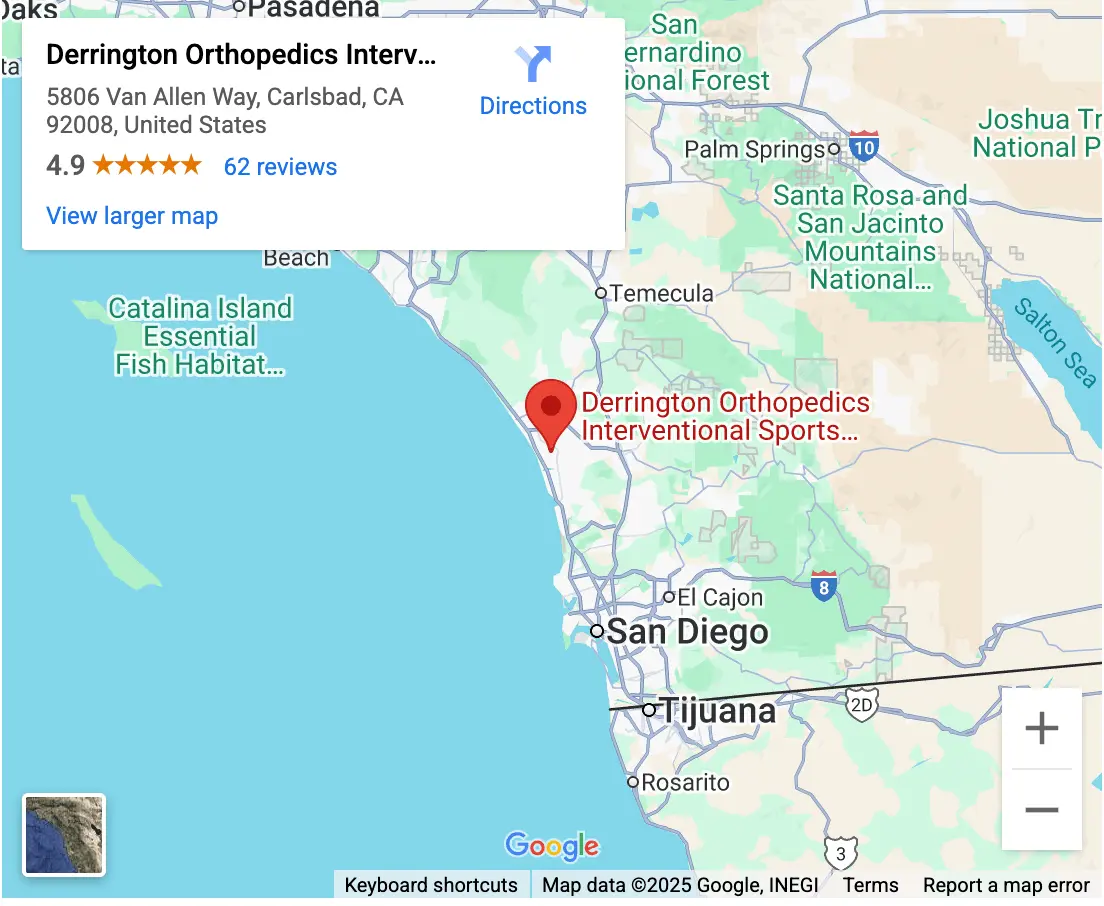
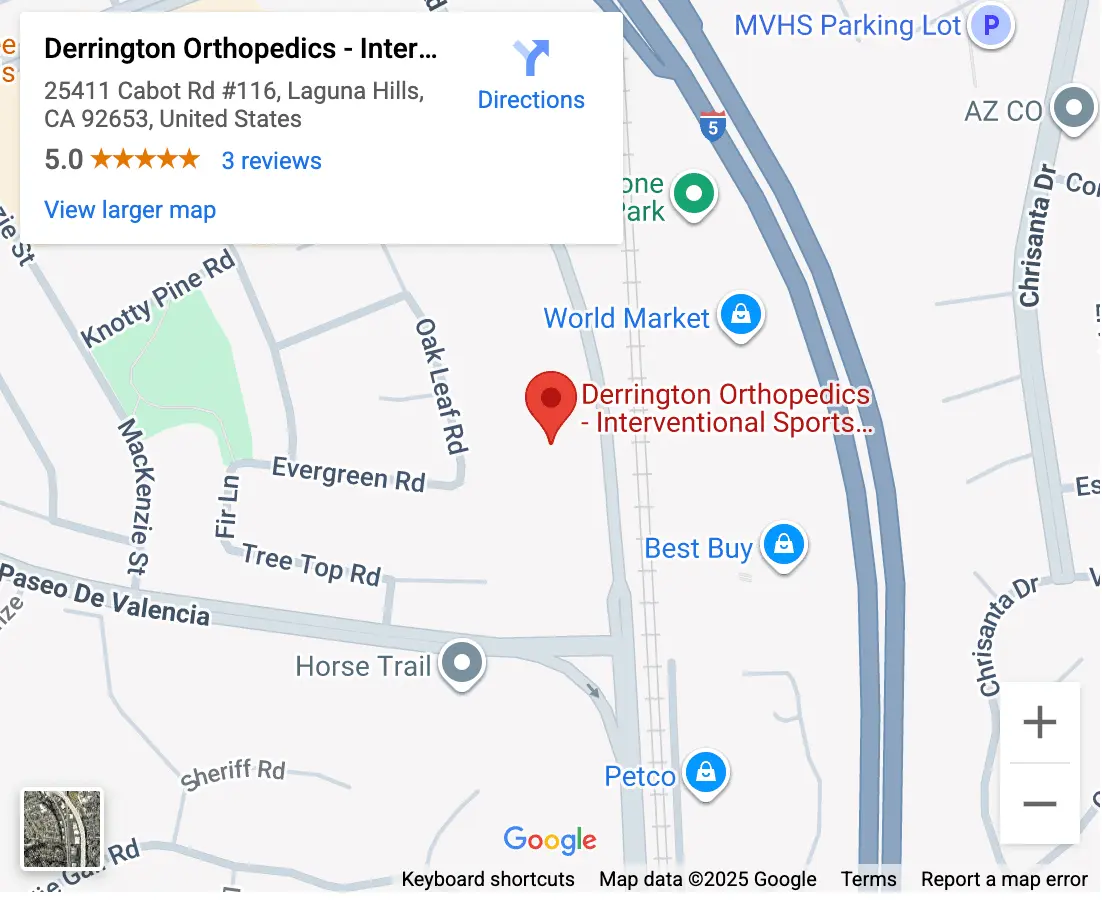
I see patients at my Carlsbad office (5806 Van Allen Way, Suite 101, Carlsbad, CA 92008) and on Tuesdays at my Laguna Hills office (25411 Cabot Rd, Suite 116, Laguna Hills, CA 92653). You can call (760) 721-4000 or request an appointment online.
If your bigger goal is getting back on the court, course or in the water, I also cover orthopedic care for pickleball, golf and surfing in Carlsbad and Laguna Hills.
Frequently asked questions
Is surgery my only option?
For many conditions, no. Often there’s a range of options between repeating steroid shots and surgery that hasn’t been discussed.
What if physical therapy and a cortisone shot did not help?
That’s a good time for a thorough evaluation, including a look at whether the physical therapy was tailored to you.
What does a thorough evaluation include?
A thorough evaluation covers a hands-on exam, a head-to-toe conversation, direct examination of the area causing your symptoms, and often an ultrasound.
This article is general education and does not replace an exam or medical advice for your situation. Results vary from person to person.