When joint pain, ligament injuries, or chronic back problems interfere with everyday life, cortisone injections are often presented as a standard treatment option. But could temporary relief come at the expense of long-term tissue health? And what happens when regenerative medicine and upper cervical chiropractic work together to support the body’s natural healing processes?
In this episode of The Well Connected Podcast: Live Your Life In Alignment, Dr. Elizabeth S. Hoefer sits down with longtime referral partner Dr. Steve Derrington, DO, of Derrington Orthopedics, a Carlsbad orthopedic physician, to explore the relationship between structural stability, regenerative medicine, and lasting mobility.
Together, they discuss why the body’s own healing response deserves a closer look, how regenerative procedures may offer alternatives to conventional approaches, and why addressing the underlying causes of pain can be just as important as managing symptoms.
Understanding the Limitations of Cortisone Injections
Cortisone injections are commonly used to reduce inflammation and relieve pain. Because they are often covered by insurance, they can be an accessible and familiar option for patients dealing with joint discomfort and musculoskeletal conditions.
However, pain relief does not always mean the underlying problem has been resolved. Repeated corticosteroid injections may carry risks to certain tissues, depending on the condition, the injection site, and the frequency of treatment. This raises an important question: Are patients receiving temporary symptom relief when they also need a plan for supporting long-term joint and ligament health?
Dr. Hoefer and Dr. Derrington examine the potential drawbacks of relying on cortisone as a routine solution and discuss why patients may benefit from understanding the full range of available treatment options before making decisions about their care.
What Is Regenerative Medicine?
Regenerative medicine focuses on treatments intended to support the body’s repair processes. Rather than concentrating exclusively on reducing pain, these approaches aim to address damaged or compromised tissues and improve function where possible.
During the conversation, Dr. Derrington discusses several regenerative procedures, including prolotherapy, platelet-rich plasma (PRP), and bone marrow-based cell procedures.
Prolotherapy involves injecting a solution into targeted areas to stimulate a local healing response. It is often considered in discussions about ligament and connective tissue support.
Platelet-rich plasma (PRP) is prepared from a patient’s own blood and contains a concentrated number of platelets. These platelets release signaling molecules involved in the body’s natural repair processes.
Bone marrow-based cell procedures use material obtained from a patient’s bone marrow. The composition of these preparations varies by procedure, and their potential benefits depend on the condition being treated and the available clinical evidence.
These approaches are not guaranteed solutions, and outcomes vary. Nevertheless, they represent a different way of thinking about musculoskeletal care: looking beyond symptom management to consider tissue health, stability, and function.
Why Structural Stability Matters for Healing
Healing does not happen in isolation. The body relies on a complex relationship between joints, ligaments, muscles, and the nervous system to maintain stability and support movement.
In the episode, Dr. Hoefer and Dr. Derrington discuss the structural relationship between function and healing, including how ligament integrity and joint stability may affect treatment outcomes.
When tissues are compromised, a patient may continue to experience discomfort or functional limitations even after receiving treatment aimed at improving movement. Understanding the condition of the surrounding structures can therefore help clinicians build a more comprehensive care plan.
This perspective also introduces an important connection between orthopedic care and upper cervical chiropractic.
Bringing Regenerative Medicine and Upper Cervical Chiropractic Together
Upper cervical chiropractic focuses on the relationship between the uppermost vertebrae of the spine, alignment, and function. Regenerative orthopedic approaches, meanwhile, focus on musculoskeletal tissues and the body’s repair processes.
Although these disciplines use different methods, the conversation explores how they may complement one another when care is tailored to the individual patient.
The goal is not simply to improve one area while overlooking the rest of the body. It is to consider how structural function, joint stability, and tissue health interact—and whether addressing multiple contributing factors may help patients pursue more sustainable improvements in mobility.
Dr. Hoefer and Dr. Derrington also discuss why an adjustment or other intervention may not fully address a patient’s problem when underlying ligament weakness or joint instability remains a concern.
A coordinated approach begins with understanding the patient’s condition, identifying relevant contributing factors, and selecting appropriate treatments based on an individual assessment.
The Cost of Investing in Long-Term Mobility
Another important topic in the discussion is the financial side of healthcare. Conventional treatments may be covered by insurance, while some regenerative procedures require patients to pay out of pocket.
That difference can make decisions challenging. Patients must weigh not only the immediate cost of treatment but also its potential benefits, risks, limitations, and relevance to their long-term goals.
Paying more for a procedure does not automatically make it more effective. The most appropriate treatment depends on the diagnosis, the quality of the supporting evidence, the patient’s health, and the alternatives available.
Dr. Hoefer and Dr. Derrington encourage a broader conversation about what patients are trying to achieve: temporary relief, improved function, greater mobility, or a comprehensive plan for managing a chronic condition. Understanding those goals can help patients have more informed discussions with their healthcare providers.
Addressing Chronic Knee and Back Problems
Chronic knee pain and back degeneration can affect everyday activities, from walking and exercising to working and enjoying time with family. These conditions can have multiple contributing factors, making a single-treatment approach insufficient for some patients.
The episode explores how regenerative procedures and attention to structural stability may fit into a broader strategy for addressing persistent musculoskeletal problems.
Rather than assuming every patient needs the same intervention, an individualized approach considers the source of symptoms, the condition of the affected tissues, relevant medical history, and the patient’s functional goals.
For some people, conservative management, physical rehabilitation, medication, or established surgical procedures may be appropriate. Others may wish to discuss regenerative options with a qualified clinician. Understanding the choices—and the evidence behind them—helps patients make decisions that align with their needs.
The Bigger Picture: Treating More Than the Symptoms
One of the central themes of this conversation is the value of looking beyond short-term pain relief. Managing symptoms can be important, but it is also worth asking what is contributing to the problem and what options may support function over time.
Dr. Hoefer and Dr. Derrington explore how regenerative medicine, orthopedic care, and upper cervical chiropractic may each contribute to a wider conversation about mobility and musculoskeletal health.
Their discussion encourages patients to ask questions, understand the potential benefits and limitations of different treatments, and work with qualified healthcare professionals to develop care plans suited to their individual circumstances.
The takeaway: Better-informed decisions start with understanding the underlying problem, comparing treatment options, and considering both immediate needs and long-term goals.
Listen to the Full Episode
Watch Why Cortisone Isn’t Always the Answer, and What Regenerative Medicine Gets Right (Feat. Dr. Steve Derrington) on The Well Connected Podcast: Live Your Life In Alignment to hear Dr. Elizabeth S. Hoefer and Dr. Steve Derrington discuss regenerative medicine, ligament health, upper cervical chiropractic, and the pursuit of lasting mobility.
Episode Chapters
- 03:26 — The Structural Link Between Function and Healing
- 06:31 — The Hidden Cost of Routine Cortisone Injections
- 08:39 — Investing Out of Pocket in Lifelong Mobility
- 11:41 — How Platelets and Bone Marrow Cells Rebuild Tissue
- 12:48 — Creating Synergistic Stability Between Spine and Joints
- 13:22 — Why Adjustments Fail When Ligaments Stay Weak
- 15:52 — Solving Chronic Knee and Back Degeneration
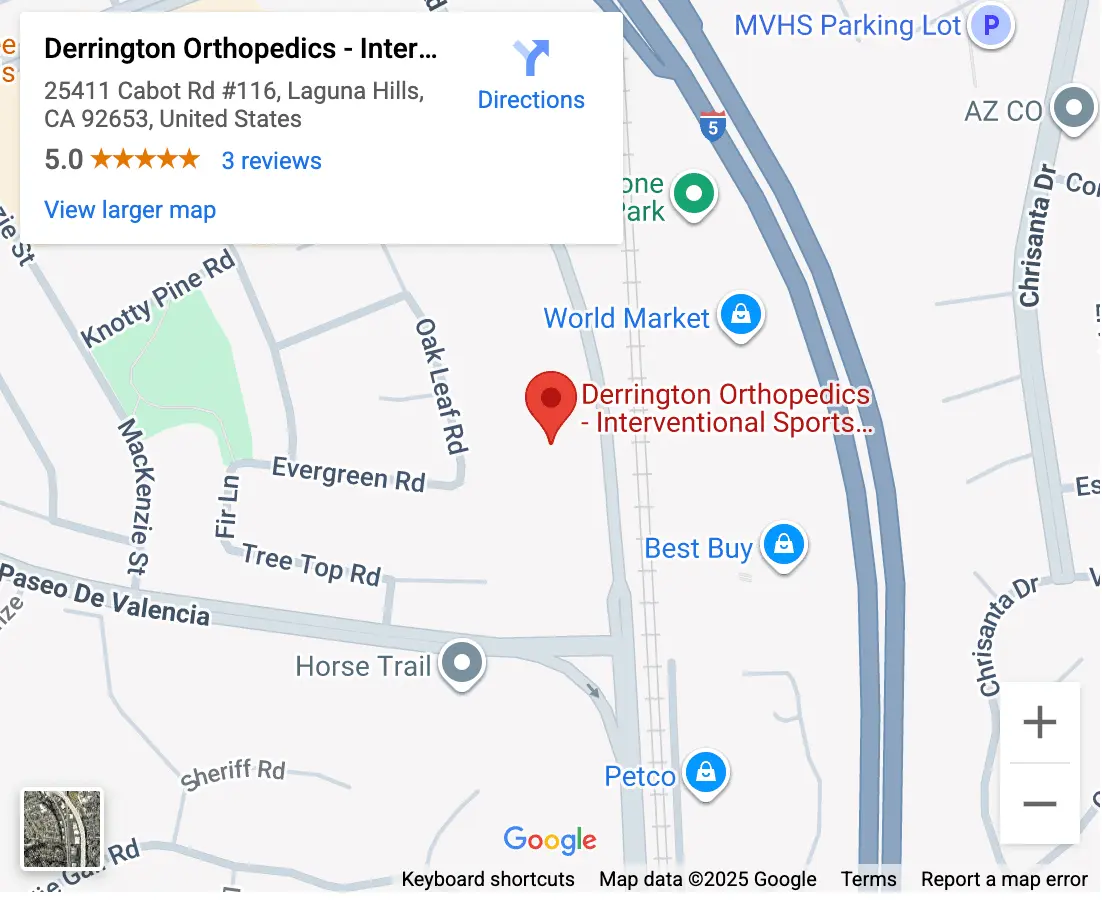
For more information about Dr. Steve Derrington and his orthopedic practice, visit Derrington Orthopedics.
Disclaimer: This article summarizes topics discussed in a podcast and is intended for educational purposes only. It is not a substitute for personalized medical advice, diagnosis, or treatment. Regenerative procedures have varying levels of evidence and may carry risks. Patients should discuss the potential benefits, limitations, alternatives, and costs of any treatment with a qualified healthcare professional.